
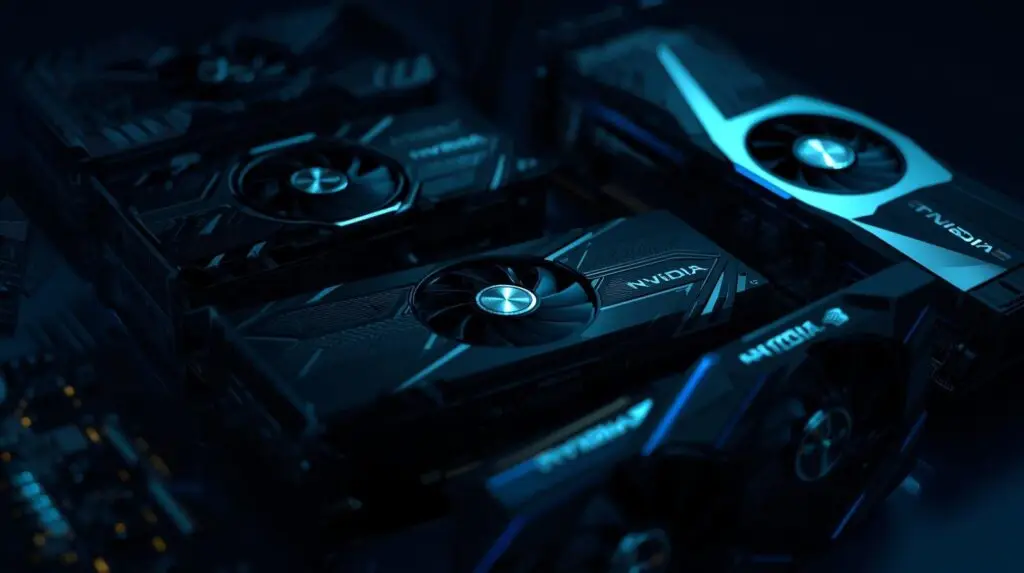
And most enterprises are still playing by the old rules.
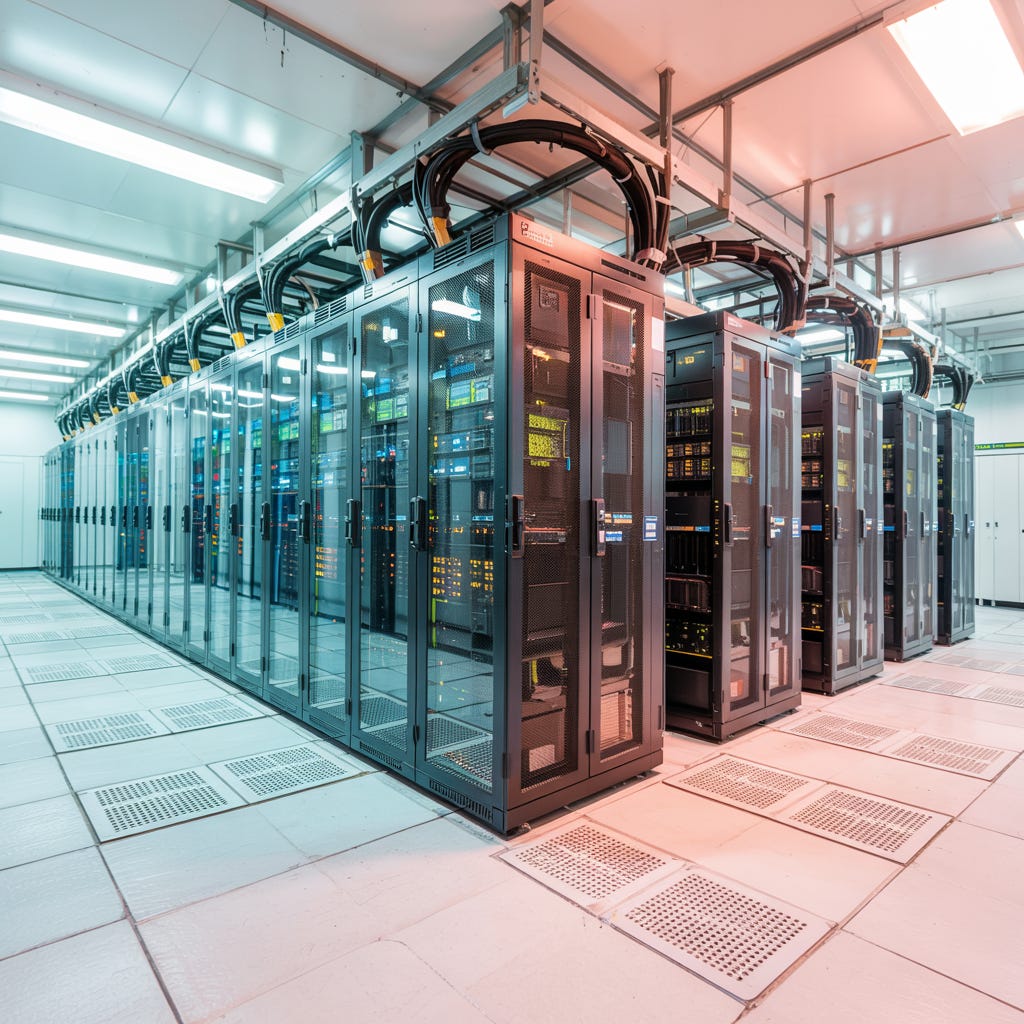
By Christian Loredo Mar 31, 2026
Over the past few months, a clear pattern has emerged across industry reports and operator conversations:
- AI isn’t just increasing demand
- It’s rewriting how data centers are designed, powered, and consumed
Trend #1: Power is now the product
Forget racks. Forget square footage.
In 2026, the first question isn’t:
“How much space do you have?”
It’s: “How many megawatts can you deliver—and when?”
- AI racks are jumping from ~5–15 kW → 50–100+ kW
- Site selection is now driven by energy access, not proximity (DataCenterKnowledge)
If you can’t secure power, you can’t compete.
Trend #2: AI is breaking the physical limits of infrastructure
We’ve moved beyond incremental upgrades.
- Legacy data centers often can’t support AI workloads at all
- GPU clusters require liquid cooling, new power distribution, and new builds (Data Center Dynamics)
This isn’t evolution.
It’s a full reset of infrastructure design.
Trend #3: Colocation demand is surging—but changing
Enterprises are coming back to colo—but for very different reasons:
- Control + cost vs cloud
- Access to power + high-density environments
- Faster deployment than building new
At the same time:
- Capacity is being pre-leased at scale
- Hyperscalers are taking entire buildings (build-to-suit) (DataCenterKnowledge)
Translation:
You’re not competing for space—you’re competing for allocation.
Trend #4: AI infrastructure = hybrid by default
No single environment can handle it all.
We’re seeing a new stack emerge:
• Colocation → baseline + control
• Cloud → elasticity
• GPUaaS → training + burst compute
• Edge → inference at scale
Because AI workloads are splitting into:
- Centralized training
- Distributed inference
Trend #5: Costs and constraints are colliding
Everything is getting harder at the same time:
- Power costs rising
- Supply chains constrained
- GPU demand exploding
- Deployment timelines stretching
Even basics like servers and memory are seeing delays (DataCenterKnowledge)
Meanwhile, global infrastructure investment continues to accelerate, reaching the hundreds of billions.
The real shift no one is talking about:
This is no longer an infrastructure problem.
It’s an orchestration problem.
Enterprises now need to:
- Find capacity across fragmented providers
- Compare power, cost, latency, and availability
- Deploy workloads dynamically
- Adapt in real-time
And most are still doing this manually.
This is the gap ATERYX is built for.
Because the winners in this market won’t be the ones who own the most infrastructure.
They’ll be the ones who can:
⚡ Find it fastest
⚡ Deploy it fastest
⚡ Shift it fastest
The AI race isn’t slowing down.
And infrastructure strategy?
It just became a business strategy.
#ATERYX #AI #Datacenters #Colocation #GPU #Infrastructure #EnterpriseTech #Cloud #Startups
Share & follow
For any inquiries, please contact:
Christian Loredo
cloredo@ateryx.io
www.ateryx.io